

Transporting a Rockwell hardness tester safely is crucial, especially when you're a supplier like me. These machines are not only expensive but also highly sensitive, and any damage during transit can lead to inaccurate readings and costly repairs. In this blog, I'll share some tips and best practices on how to transport a Rockwell hardness tester without a hitch.
Understanding the Rockwell Hardness Tester
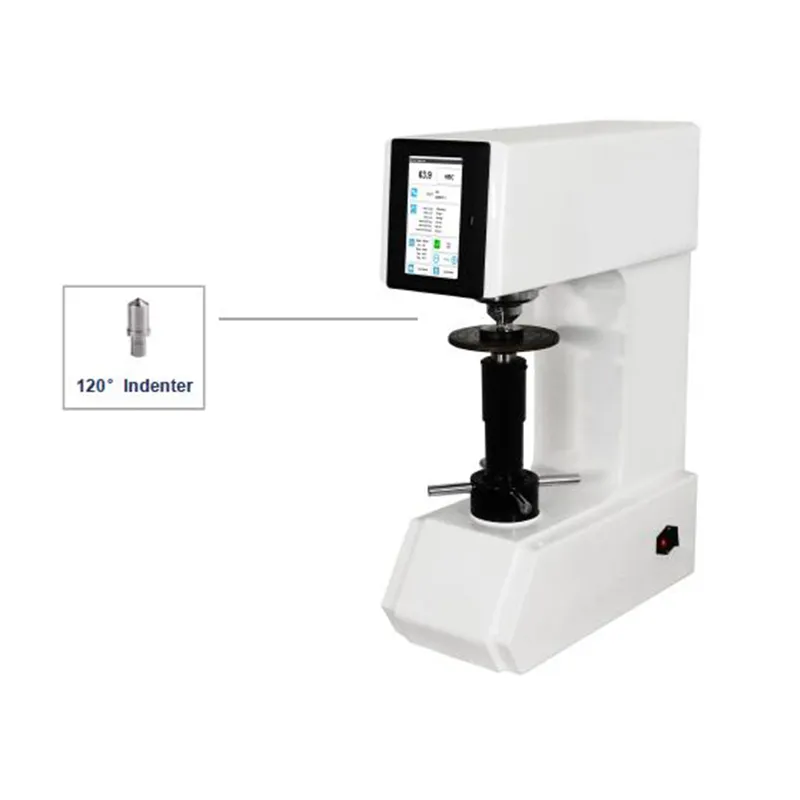
Before we dive into the transportation process, let's quickly go over what a Rockwell hardness tester is. It's a device used to measure the hardness of materials, typically metals. There are different types of Rockwell hardness testers, such as the Dial Display Manual Rockwell Durometer, the Closed-loop System Rockwell Hardness Tester, and the Electric Rockwell Hardness Tester. Each type has its own unique features and components, but they all require careful handling during transportation.
Pre-Transportation Preparation
The first step in transporting a Rockwell hardness tester safely is to prepare it properly. Here's what you need to do:
Clean the Tester
Before packing the tester, make sure it's clean. Remove any debris, dirt, or oil from the surface and the testing area. This not only helps prevent damage during transit but also ensures accurate readings when the tester is used again.
Secure Loose Parts
Check the tester for any loose parts, such as the indenter, weights, or digital display. Secure these parts using appropriate fasteners or padding to prevent them from moving around and causing damage.
Disconnect Power and Accessories
If the tester is an electric model, disconnect it from the power source. Remove any accessories, such as cables or probes, and pack them separately in a padded container.
Take Inventory
Make a list of all the components and accessories that come with the tester. This will help you ensure that everything arrives at the destination safely and that nothing is missing.
Choosing the Right Packaging
Once the tester is prepared, the next step is to choose the right packaging. Here are some factors to consider:
Size and Shape
The packaging should be the right size and shape to fit the tester snugly. It should also provide enough space for padding to protect the tester from shocks and vibrations.
Material
Use high-quality packaging materials, such as corrugated cardboard, foam, or bubble wrap. These materials provide excellent cushioning and protection during transit.
Reinforcement
For larger or heavier testers, consider using reinforced packaging or shipping crates. These can provide additional strength and protection against damage.
Labeling
Clearly label the packaging with the type of tester, its weight, and any handling instructions. This will help the shipping carrier handle the package properly and avoid any mishaps.
Packing the Tester
Now that you have the right packaging, it's time to pack the tester. Here's how:
Place the Tester in the Package
Carefully place the tester in the center of the package. Make sure it's positioned upright and stable.
Add Padding
Surround the tester with padding, such as foam or bubble wrap. This will help absorb shocks and vibrations during transit.
Fill Empty Spaces
Fill any empty spaces in the package with additional padding to prevent the tester from moving around.
Seal the Package
Once the tester is packed and padded, seal the package securely using packaging tape. Make sure the tape is strong enough to hold the package together during transit.
Choosing a Shipping Carrier
Choosing the right shipping carrier is crucial for the safe transportation of the Rockwell hardness tester. Here are some factors to consider:
Reputation
Choose a shipping carrier with a good reputation for handling delicate and valuable items. Read reviews and ask for recommendations from other suppliers or customers.
Insurance
Make sure the shipping carrier offers insurance for the value of the tester. This will provide you with peace of mind in case of any damage or loss during transit.
Tracking
Choose a shipping carrier that offers tracking services. This will allow you to monitor the progress of your shipment and ensure that it arrives at the destination on time.

Handling Instructions
Provide the shipping carrier with clear handling instructions, such as "Fragile" or "Handle with Care." This will help the carrier handle the package properly and avoid any damage.
During Transportation
Once the tester is packed and shipped, there are a few things you can do to ensure its safe transportation:
Monitor the Shipment
Use the tracking information provided by the shipping carrier to monitor the progress of your shipment. If there are any delays or issues, contact the carrier immediately to resolve them.
Avoid Extreme Temperatures
Try to avoid shipping the tester during extreme temperatures, such as very hot or very cold weather. Extreme temperatures can damage the tester's components and affect its accuracy.
Choose the Right Route
If possible, choose a route that avoids rough roads, potholes, or other hazards that could cause damage to the tester during transit.
Unpacking and Inspection
Once the tester arrives at its destination, it's important to unpack and inspect it carefully. Here's what you need to do:
Check the Packaging
Inspect the packaging for any signs of damage, such as tears, holes, or dents. If the packaging is damaged, take photos and contact the shipping carrier immediately to file a claim.
Unpack the Tester
Carefully unpack the tester and remove all the padding. Check the tester for any visible damage, such as cracks, scratches, or bent parts.
Test the Tester
Once the tester is unpacked and inspected, test it to ensure that it's working properly. Follow the manufacturer's instructions for testing the tester and take note of any unusual readings or issues.
Conclusion
Transporting a Rockwell hardness tester safely requires careful planning, preparation, and handling. By following the tips and best practices outlined in this blog, you can ensure that your tester arrives at its destination safely and in good working condition. Remember, if you have any questions or need further assistance, don't hesitate to contact us. We're here to help you with all your Rockwell hardness tester needs.
If you're interested in purchasing a Rockwell hardness tester or have any questions about our products, feel free to reach out to us. We'd love to discuss your requirements and help you find the right tester for your needs.
References
- Manufacturer's instructions for Rockwell hardness testers
- Packaging and shipping guidelines from reputable carriers