

As a supplier of Webster hardness testers, I often get asked about the resolution of these important instruments. Understanding the resolution of a Webster hardness tester is crucial for anyone involved in material testing, especially in industries like aluminum manufacturing, construction, and automotive, where material hardness can significantly impact product quality and performance.
What is Resolution in the Context of a Webster Hardness Tester?
Resolution refers to the smallest change in the measured value that a hardness tester can detect and display. In the case of a Webster hardness tester, it is the smallest increment of hardness that the device can accurately measure. A higher resolution means that the tester can detect more subtle differences in hardness, providing more detailed and precise information about the material being tested.
For example, if a Webster hardness tester has a resolution of 0.5 units, it can distinguish between two materials with a hardness difference of as little as 0.5 units on the Webster hardness scale. This level of precision is essential when dealing with materials that require strict quality control, such as aerospace components or high - end architectural aluminum products.
Factors Affecting the Resolution of a Webster Hardness Tester
Several factors can influence the resolution of a Webster hardness tester.
Mechanical Design
The mechanical design of the tester plays a significant role in determining its resolution. A well - designed tester with high - quality components, such as a precisely calibrated spring and a smooth - operating indenter, can achieve a higher resolution. The indenter, which is the part of the tester that presses into the material, needs to be accurately machined and properly aligned to ensure consistent and precise measurements.
Calibration
Proper calibration is essential for maintaining the resolution of a Webster hardness tester. Over time, the components of the tester can wear out or become misaligned, which can affect its accuracy and resolution. Regular calibration against a known standard ensures that the tester is providing accurate and reliable measurements. A calibrated tester can detect small changes in hardness more effectively, thereby maintaining its high resolution.
Material Properties
The properties of the material being tested can also impact the resolution of the Webster hardness tester. Different materials have different hardness characteristics, and some materials may be more difficult to measure accurately than others. For example, materials with a non - uniform structure or those that are very soft or very hard may pose challenges to the tester's ability to achieve high - resolution measurements.
Types of Webster Hardness Testers and Their Resolution
There are different types of Webster hardness testers available, each designed for specific applications and materials.
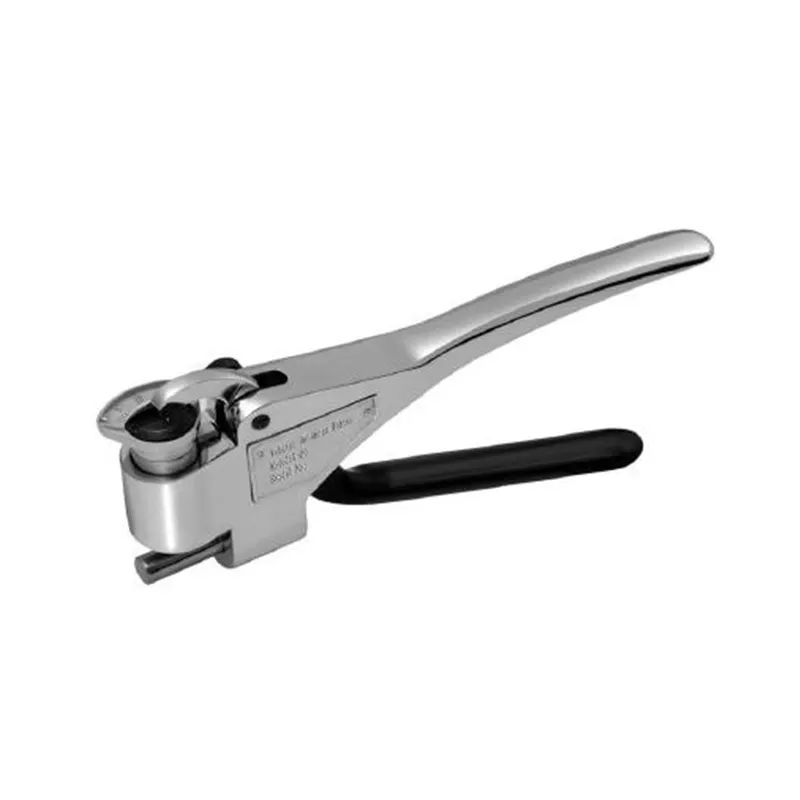
Thin Aluminum Webster Hardness Tester
This type of tester is specifically designed for measuring the hardness of thin aluminum sheets. It has a unique design that allows it to accurately measure the hardness of thin materials without causing excessive deformation. The resolution of a thin aluminum Webster hardness tester is typically optimized for the relatively lower hardness values commonly found in thin aluminum. These testers can usually provide a resolution that is sufficient to detect small changes in hardness, which is important for quality control in the production of thin aluminum products such as aluminum foil and thin - walled aluminum tubes.
Common Aluminum Webster Hardness Tester
The common aluminum Webster hardness tester is designed for general - purpose testing of aluminum materials. It can be used to measure the hardness of various aluminum alloys, including those used in construction, automotive, and industrial applications. This type of tester usually has a good resolution that can meet the requirements of most aluminum testing applications. It can accurately measure hardness changes in different aluminum products, from extruded aluminum profiles to cast aluminum parts.

Importance of High Resolution in Webster Hardness Testing
High resolution in Webster hardness testing offers several benefits.
Quality Control
In manufacturing processes, high - resolution hardness testing is crucial for quality control. By detecting small changes in hardness, manufacturers can ensure that their products meet the required specifications. For example, in the production of aluminum windows and doors, a high - resolution Webster hardness tester can help identify any variations in hardness that could affect the structural integrity or durability of the products.
Research and Development
In research and development, high - resolution hardness testing allows scientists and engineers to study the effects of different processing parameters on the hardness of materials. This can lead to the development of new and improved materials with enhanced properties. For instance, by accurately measuring the hardness changes during the heat treatment of aluminum alloys, researchers can optimize the heat - treatment process to achieve the desired hardness and other mechanical properties.
Material Selection
When selecting materials for a particular application, high - resolution hardness testing can provide valuable information. It allows designers and engineers to compare the hardness of different materials and choose the one that best suits the requirements of the application. For example, in the automotive industry, high - resolution hardness testing can help in selecting the appropriate aluminum alloy for engine components based on their hardness and other mechanical properties.
How to Ensure High Resolution in Webster Hardness Testing
To ensure high resolution in Webster hardness testing, several steps can be taken.
Use a High - Quality Tester
Investing in a high - quality Webster hardness tester is the first step. A tester from a reputable manufacturer with a proven track record of producing accurate and reliable instruments is more likely to have a high resolution. Look for testers that are made from high - quality materials and have been designed with precision in mind.
Follow Proper Testing Procedures
Proper testing procedures are essential for obtaining accurate and high - resolution measurements. This includes preparing the test surface properly, applying the tester correctly, and taking multiple measurements at different locations on the material. Following the manufacturer's instructions for testing ensures that the tester is used in the most effective way to achieve the highest possible resolution.
Regular Maintenance and Calibration
Regular maintenance and calibration are crucial for maintaining the resolution of a Webster hardness tester. This includes cleaning the tester, lubricating moving parts, and checking for any signs of wear or damage. Calibration should be performed at regular intervals using a certified standard to ensure that the tester is providing accurate measurements.
Conclusion
The resolution of a Webster hardness tester is an important factor that can significantly impact the accuracy and reliability of hardness testing. As a supplier of Webster hardness testers, we understand the importance of providing our customers with testers that have high resolution and are suitable for their specific applications. Whether you are involved in quality control, research and development, or material selection, a high - resolution Webster hardness tester can provide you with the detailed and accurate information you need.
If you are interested in purchasing a Webster hardness tester or have any questions about our products, please feel free to contact us for more information and to discuss your specific requirements. We are committed to providing you with the best solutions for your hardness testing needs.
References
- ASTM Standards for Hardness Testing
- Manufacturer's manuals for Webster hardness testers
- Technical papers on material hardness testing