

Hey there! As a supplier of surface waviness testers, I often get asked about the sampling speed of these nifty devices. So, let's dive right in and break it down.
First off, what exactly is sampling speed? Well, in the context of a surface waviness tester, it refers to how quickly the device can take measurements of the surface. You can think of it like taking snapshots of the surface at regular intervals. The faster the sampling speed, the more snapshots you can take in a given amount of time, which means you get a more detailed picture of the surface waviness.
Why does sampling speed matter? It's all about accuracy and efficiency. A higher sampling speed allows the tester to capture more data points on the surface. This is crucial because surface waviness can vary in a complex way. If the sampling speed is too slow, you might miss some important details, like small bumps or dips on the surface. On the other hand, a fast - sampling speed can give you a comprehensive view of the surface, helping you to accurately assess its waviness.
Let's consider an example. Imagine you're testing a metal part that will be used in a high - precision machine. Even the slightest waviness on the surface can affect its performance. With a slow - sampling surface waviness tester, you might not detect some of these minor aberrations. But a tester with a high sampling speed can pick up on these details, ensuring that the part meets the required quality standards.
Now, how is sampling speed measured? Usually, it's measured in samples per second (SPS). For instance, a surface waviness tester with a sampling speed of 1000 SPS can take 1000 measurements of the surface in one second. The higher this number, the faster the tester can collect data.
There are several factors that can affect the sampling speed of a surface waviness tester. One of the main factors is the technology used in the tester. Some testers use advanced sensors and electronics that can process data very quickly, allowing for a high sampling speed. Others might have more basic components, which can limit the sampling speed.
Another factor is the complexity of the surface being tested. If the surface has a lot of irregularities or a high degree of waviness, the tester might need to slow down its sampling speed to accurately measure these features. Otherwise, it could get overwhelmed with data and produce inaccurate results.
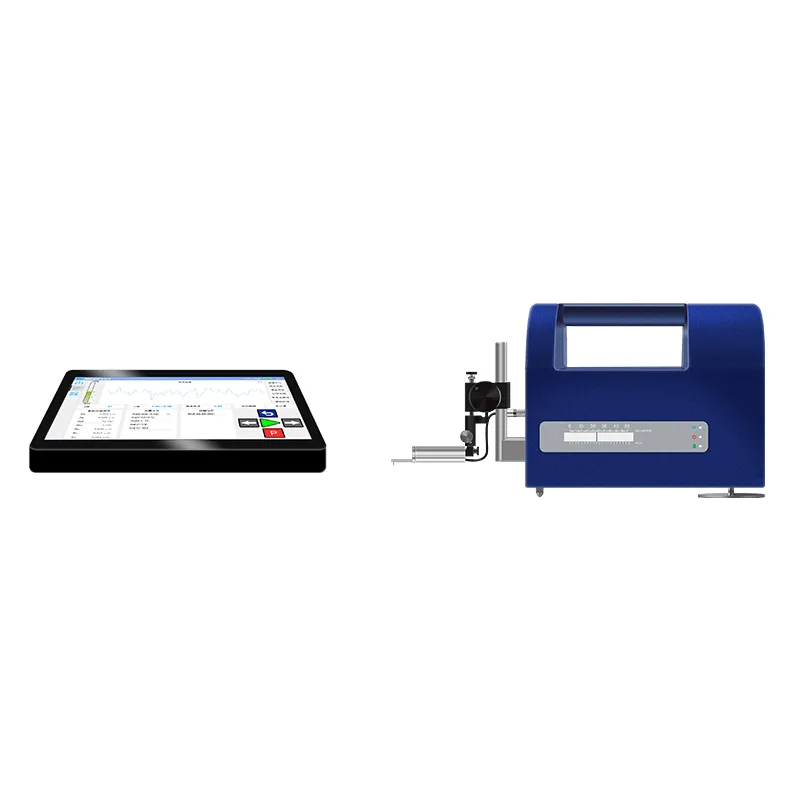
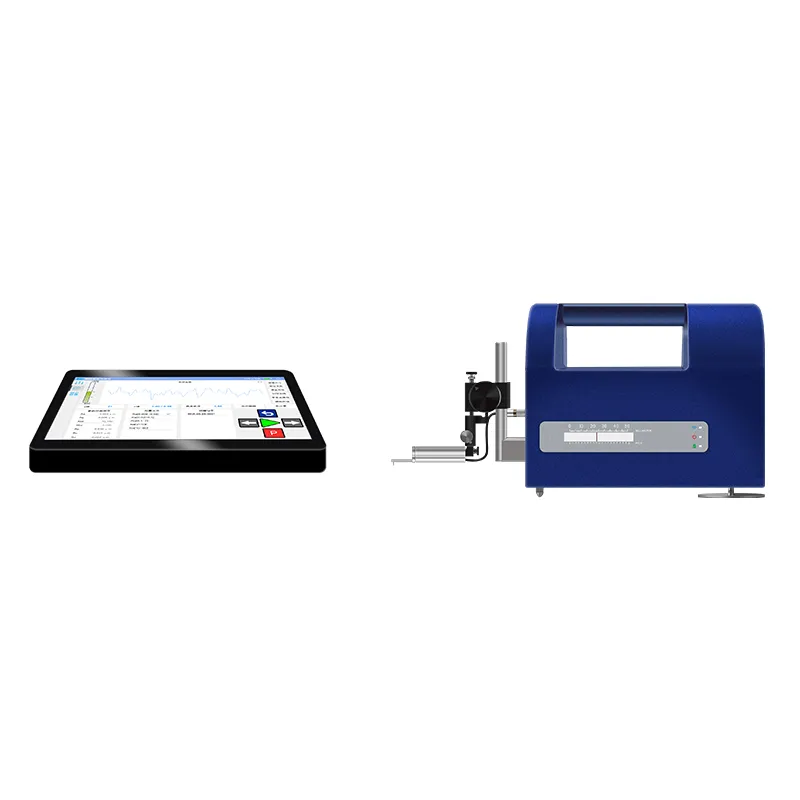
The type of connection the tester has can also play a role. For example, a Wired Connection Roguhness Tester might have different sampling speed capabilities compared to a wireless one. Wired connections can sometimes offer faster data transfer rates, which can support a higher sampling speed.
When it comes to choosing a surface waviness tester, the sampling speed should be one of the key considerations. If you're working on projects that require high - precision measurements, you'll likely need a tester with a high sampling speed. For less demanding applications, a tester with a lower sampling speed might be sufficient.
Let's talk about some of the benefits of having a high - sampling speed surface waviness tester. Firstly, it can significantly reduce testing time. Since the tester can take more measurements in a shorter period, you can get your results faster. This is especially important in a production environment where time is money.
Secondly, a high sampling speed can improve the reliability of your measurements. With more data points, you can be more confident in the accuracy of your assessment of the surface waviness. This can help you make better - informed decisions about the quality of the parts you're testing.
At our company, we offer a range of surface waviness testers with different sampling speeds to meet the diverse needs of our customers. Our Waviness and Roguhness Tester Measuring Range 1000μm is a great example. It combines a high sampling speed with a wide measuring range, making it suitable for a variety of applications.
Whether you're in the automotive industry, aerospace, or any other field that requires precise surface measurements, our surface waviness testers can provide you with the data you need. We understand that every project is unique, and that's why we're committed to helping you find the right tester with the appropriate sampling speed for your specific requirements.
If you're interested in learning more about our surface waviness testers or have any questions about sampling speed, don't hesitate to reach out. We're here to assist you in making the best choice for your business. Whether you're a small - scale manufacturer or a large - scale industrial operation, we can offer you the solutions you need to ensure the quality of your products.
In conclusion, the sampling speed of a surface waviness tester is a crucial factor that can have a big impact on the accuracy and efficiency of your surface measurements. By understanding how it works and what factors can affect it, you can make a more informed decision when choosing a tester. And if you're in the market for a surface waviness tester, we're here to help you find the perfect fit. So, get in touch with us today and let's start a conversation about how we can meet your surface measurement needs.
References
- General knowledge about surface waviness testers and their technical specifications.
- Industry - standard literature on surface measurement and quality control.