

Hey there! If you're in the market for a Bracol hardness tester, you've come to the right place. I'm a supplier of these nifty devices, and I'm here to help you figure out how to choose the right one for your specific needs.
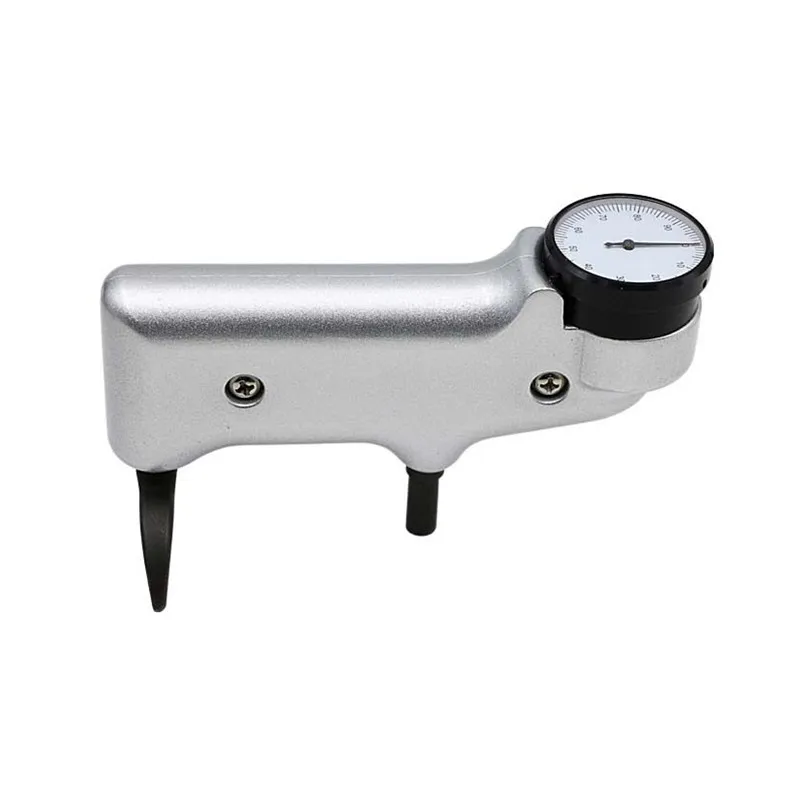
First things first, let's talk about what a Bracol hardness tester is and why you might need one. A Bracol hardness tester is a tool used to measure the hardness of various materials, such as metals, plastics, and composites. It works by indenting the material with a small, pointed tip and measuring the depth of the indentation. The harder the material, the shallower the indentation, and vice versa.
Now, let's get into the nitty-gritty of choosing the right Bracol hardness tester for you. There are a few key factors you'll want to consider:
1. Material Type
The type of material you'll be testing is one of the most important factors to consider when choosing a Bracol hardness tester. Different materials have different hardness ranges, and you'll need a tester that's capable of accurately measuring the hardness of the materials you're working with.
For example, if you're testing metals, you'll need a tester that's designed for metal hardness testing. These testers typically have a higher load capacity and a more precise measurement system than testers designed for other materials. On the other hand, if you're testing plastics or composites, you'll need a tester that's specifically designed for these materials. These testers usually have a lower load capacity and a more sensitive measurement system.
Check out our Bracol Hardness Tester for Metals Leather for a great option if you're working with metals or leather.
2. Testing Range
The testing range of a Bracol hardness tester refers to the minimum and maximum hardness values that the tester can measure. You'll need to choose a tester with a testing range that's appropriate for the materials you're working with.
For example, if you're testing materials with a relatively low hardness, such as plastics or rubber, you'll need a tester with a lower testing range. On the other hand, if you're testing materials with a high hardness, such as metals or ceramics, you'll need a tester with a higher testing range.
Make sure to check the specifications of the tester you're considering to ensure that it has a testing range that's suitable for your needs.
3. Portability
If you need to take your Bracol hardness tester with you to different job sites or locations, portability is an important factor to consider. Portable testers are typically smaller and lighter than bench-top testers, making them easier to transport and use in the field.
Our Barcol Impressor Portable Hardness Tester is a great option if you need a portable tester. It's lightweight, easy to use, and can be carried around with you wherever you go.
4. Accuracy and Precision
The accuracy and precision of a Bracol hardness tester are crucial for obtaining reliable and consistent test results. You'll want to choose a tester that has a high level of accuracy and precision to ensure that your test results are as accurate as possible.
When evaluating the accuracy and precision of a tester, look for specifications such as the measurement uncertainty and the repeatability of the tester. These specifications will give you an idea of how accurate and precise the tester is.
5. Ease of Use
You'll also want to consider how easy the Bracol hardness tester is to use. A tester that's easy to operate will save you time and frustration, especially if you're using it on a regular basis.
Look for a tester that has a user-friendly interface, clear instructions, and easy-to-read displays. Some testers also come with additional features, such as data logging and wireless connectivity, which can make the testing process even more convenient.
6. Price
Of course, price is always a factor to consider when making a purchase. Bracol hardness testers can vary in price depending on their features, capabilities, and brand.
While it's important to stay within your budget, don't sacrifice quality for price. A high-quality Bracol hardness tester will provide you with accurate and reliable test results, which can save you time and money in the long run.
7. Brand and Reputation
Finally, you'll want to consider the brand and reputation of the Bracol hardness tester you're considering. A well-established brand with a good reputation is more likely to produce high-quality testers that are reliable and durable.
Do some research on the brand and read reviews from other users to get an idea of the quality and performance of the tester. You can also ask for recommendations from colleagues or industry experts.
So, there you have it! These are the key factors to consider when choosing the right Bracol hardness tester for your needs. By taking the time to evaluate these factors and choose a tester that meets your specific requirements, you'll be able to get accurate and reliable hardness measurements for your materials.
If you have any questions or need further assistance in choosing the right Bracol hardness tester for your needs, don't hesitate to reach out to us. We're here to help you make the best decision for your business.
Contact us today to start the procurement process and get the Bracol hardness tester that's right for you!

References
- ASTM International. (2021). Standard Test Methods for Rubber Property - Durometer Hardness. ASTM D2240 - 15e1.
- ISO International Organization for Standardization. (2018). Rubber, vulcanized or thermoplastic - Determination of hardness (Hardness between 10 IRHD and 100 IRHD). ISO 48:2018.
- Wilson Hardness. (n.d.). Guide to Hardness Testing. Retrieved from [Website URL] (Replace with actual URL if available)